

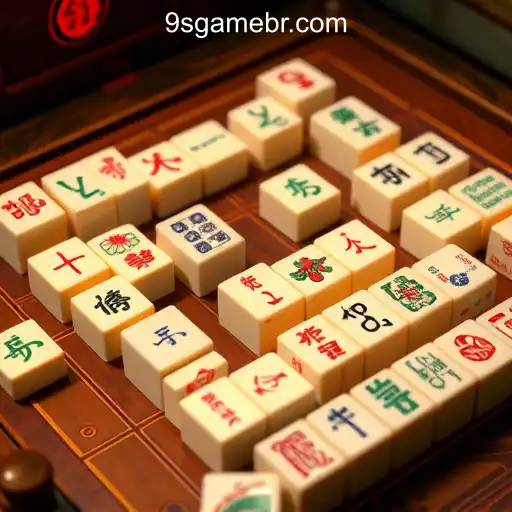
The Fascinating World of Mahjong and Its Digital Expansion
Mahjong, a game that has captivated minds and cultures for centuries, continues to be a prominent player in the world of traditional tabletop games. Its intricate gameplay, historical roots, and cultural significance have allowed it to transcend borders and generations. Yet, in today's digital age, Mahjong is experiencing a transformation, with platforms like 9S.game bringing this classic game to new audiences in the digital realm, particularly through its categorization in online Slots Brasil #1.
Understanding the Origins of Mahjong
Mahjong originated in China during the Qing dynasty, and its cultural journey began as a game played by the Chinese aristocracy before spreading throughout the country. By the early 20th century, Mahjong had reached Asia and eventually made its way to the Western world. This historical spread marked Mahjong as not just a game, but a cultural artifact versatile enough to adapt and thrive in various societies.
Basic Gameplay and Rules
The traditional Mahjong game consists of 144 tiles based on Chinese characters and symbols, although regional variations can feature more tiles. The objective is to build a complete hand using a combination of 14 tiles. Players draw and discard tiles aiming to form four sets and a pair which complete the Mahjong hand. The sets can include Pongs (three identical tiles), Kongs (four identical tiles), and Chows (a run of three consecutive numbers in the same suit).
Despite its seemingly complicated structure, Mahjong becomes intuitive with practice. The strategic nature of the game, combined with the element of chance, creates a dynamic and compelling experience, making Mahjong accessible yet challenging for players of all levels.
The Cultural Significance of Mahjong
Mahjong is often seen as more than a game; it is a social activity that fosters community and interaction. In various cultures, playing Mahjong might have different societal implications and is often a part of festive celebrations. In China, Japan, and other Asian countries, gathering around the Mahjong table is a common practice among friends and family, allowing not only for mental exercise but also for social bonding.
The Digital Transformation of Mahjong
With technological advancements, Mahjong has undergone a significant transformation. Platforms like 9S.game have reimagined this traditional game, making it accessible to a wider audience who can appreciate its complexity and beauty without geographical limitations. This digital shift has positioned Mahjong within popular categories like online Slots Brasil #1, where it stands out by virtue of its rich history and engaging gameplay.
The 9S.game platform offers players a chance to engage with Mahjong in a virtual environment, elevating the traditional experience with digital conveniences such as global multiplayer modes, customizable tables, and interactive tutorials. This way, both seasoned players and beginners can enjoy and learn Mahjong at their own pace.
Online Mahjong and the 9S.game Platform
The digital implementation of Mahjong on 9S.game exemplifies the blend of tradition and modernity, extending the game’s reach beyond its cultural roots into a global phenomenon. The inclusion of Mahjong in the online Slots Brasil #1 category underlines its popularity in regions beyond its geographic origins, reflecting the adaptability and universal appeal of the game.
Online Mahjong on platforms such as 9S.game provides several benefits. These include no need for physical tiles, the opportunity to connect with a global player base, accessibility on multiple devices, and the ability to play at any time. Such features have significantly propelled the popularity of Mahjong in the online gaming arena.
The Future of Mahjong in the Digital Age
Mahjong's adaptability to digital formats signifies its continuing evolution as a game that maintains its cultural significance while expanding its reach globally. As platforms like 9S.game innovate and refine the digital Mahjong experience, the game's appeal continues to grow, captivating new generations of players who can engage with it alongside other interactive games.
The ever-expanding digital environment suggests a future where Mahjong could integrate more advanced technologies such as virtual reality or augmented reality, offering players an even more immersive experience. Nevertheless, the core of Mahjong will always be its engaging gameplay and the cultural connections it fosters.
Conclusion
Mahjong's journey from a traditional Chinese game to a universal digital pastime illustrates the remarkable adaptability of cultural treasures in the face of rapid technological developments. Platforms such as 9S.game have played a crucial role in this transformation, ensuring that Mahjong remains an important part of the gaming landscape both in traditional and digital formats. By continuing to respect and innovate the ways in which Mahjong can be played and appreciated globally, its legacy will undoubtedly endure for generations to come.